


 Early childhood educators attending the National Title 1 Conference in Salt Lake City this week will be treated to a hands-on experience of the latest in 3D augmented reality (AR) curriculum.
Alive Studios has announced that it will launch and demonstrate their newly integrated Learning alive Suite of AR-based learning products that supplement reading and math curriculum for early educators. Administrators and district-grouped educators are encouraged to visit booth 535 early to schedule a hands-on demonstration.
Math alive, a full-year, game-based supplemental math curriculum, is the newest addition to the Learning alive Suite. Math alive uses AR to engage students in 7 essential units of math comprehension. The 3D technology engages children, who say they learn “without even realizing it.” The Lesson Plan Manual is directly mapped to Common Core State Standards for Kindergarten and makes classroom integration seamless. Math alive allows students to interact with some of the same animals from Letters alive, the flagship product from Alive Studios. The combination of reading and math makes the Learning alive Suite comprehensive over subjects and further engages students.
The full Learning alive Suite includes Letters alive, Math alive, and Storybooks alive. Both Letters alive and Math alive feature curriculum guides that make classroom integration effortless with lesson plans, worksheets and activities, enabling full learning integration. Storybooks alive includes captivating, digital, interactive stories that teach children honorable character traits.
39 STATES PIONEERING AUGMENTED REALITY LEARNING
Letters alive is already being used in Pre-school and Kindergarten classes throughout the United States. “We use Letters alive to reinforce what our children are learning in the classroom,” says Raquel Baldwin of Baldwin Academy in Tamarac. “To see the look on their faces when they see the animals come to life is truly amazing. The children seem to be much more engaged and focused on what they’re learning.”
Audra Cervi, K-3 Reading Resource teacher at Audubon Park Elementary in Orlando, agrees. Cervi says the students “love the new flashcards because the letters actually come alive! Children are 100% engaged, watching every movement on the board. They are so excited to learn about the letters and the sounds!”
Audubon Park’s primary Special Education Teacher Mary-Elizabeth Langston says her students benefit from this rich, positive learning experience. “I hear the children throughout the day repeating the sounds they learned. We’re starting to see the difference in how they form sounds and words… there’s a willingness to learn that we had not seen before.”
LETTERS ALIVE:
Letters alive is a supplemental reading curriculum currently in use by educators in 11 countries and in hundreds of classrooms across the United States. Letters alive was designed in alignment with Common Core State Standards for Kindergarten classrooms, as well as early childhood reading within grades 1 – 5 for ESL students, RTI students and students with special needs.
The curriculum gets students excited about reading by using the same mind-blowing, computer-generated augmented reality technology implemented by the Imagineers at Walt Disney World, only in the classroom, where 26 alphabet cards spring to life to help students grasp key concepts in reading.
Each card features an animal that corresponds to a letter in the alphabet, but these are not just simple flash cards or basic animations; These animals pop up in 3-D with no glasses needed, and seem intelligent as they amazingly respond to the questions and sentences that students will build. Even reluctant learners enthusiastically respond to the animals, sounds, and movement. [more]
MATH ALIVE:
Math alive gets students excited about math by helping teachers teach math to early learners in a new and engaging way. Lessons and activities are mapped to Common Core State Standards for Kindergarten. Math alive develops critical learning skills that children need to meet major milestones throughout the school year at Pre-K, Kindergarten and 1st Grade levels. Math alive uses 45 skill-based interactive games and the latest “mind-blowing technology” — Augmented Reality. [more]
STORYBOOKS ALIVE:
Storybooks alive makes reading fun and engaging for children with digital interactive storybooks. They can read the stories themselves or have the program read it to them. Children are able to interact with the pages of the digital book with the same lovable animals that are in Letters alive and Math alive. One character trait is incorporated in each digital story. (i.e., being on time, courage, or kindness) Each story has mini games and activities that are aligned to Common Core State Standards. [more]
ABOUT ALIVE STUDIOS:
Alive Studios is the world’s first augmented reality learning company, dedicated to engaging early learners for success in reading and math. Offering research-driven tools backed by a proven teaching methodology that kids love, Alive Studios delivers Letters alive, Math alive, and Storybooks alive in 11 countries and in classrooms across the United States. More information at www.alivestudiosco.com
JOURNALISTS NOTE:
To receive interviewing contact information for parents, teachers, school, or district administrators, please contact Ian Bryan, 828.713.3310, pr@alivestudiosco.com.
For independent research: http://bit.ly/K-12study
About Learning alive: https://alivestudiosco.com/

 of the Learning alive Suite, our Supplemental Reading and Math Software Solution for PreK to 3rd Grade (valued at $1,295).
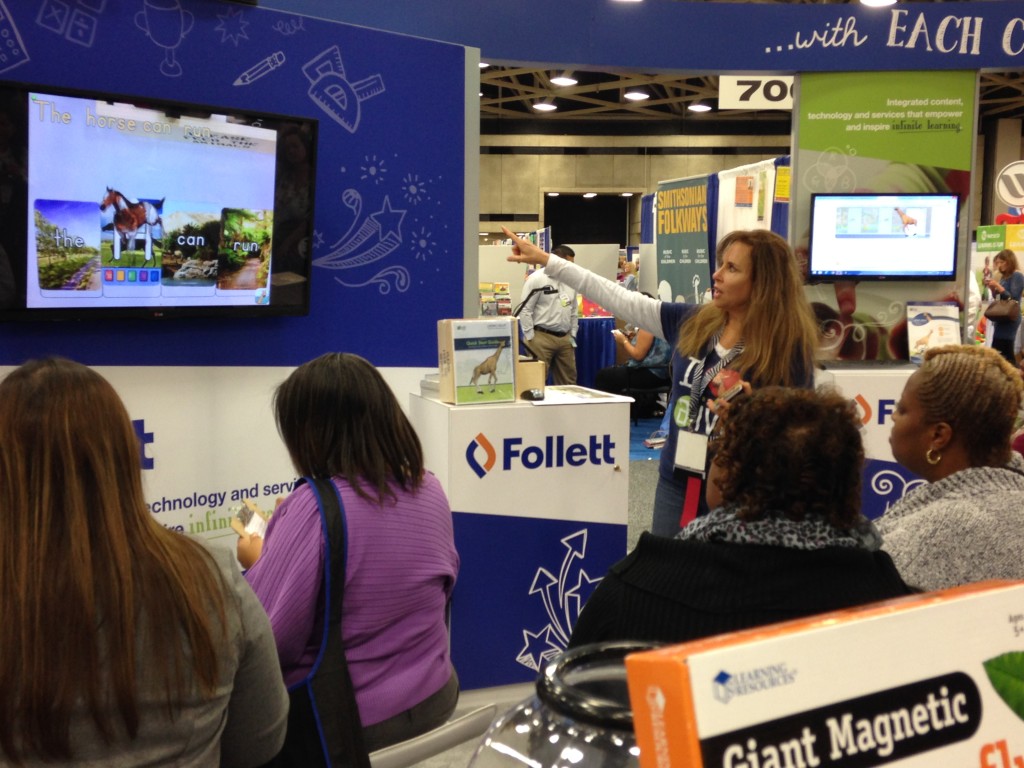 just tell you guys how much fun we had at NAEYC’s Annual Conference! It was so awesome. We got to see and meet so many dedicated educators, it was truly inspiring. For all in attendance we hope you guys were able to get to Follett’s booth and see Letters Alive in action. We offered TWO Letters alive giveaways while there and had a phenomenal turnout for both giveaways.
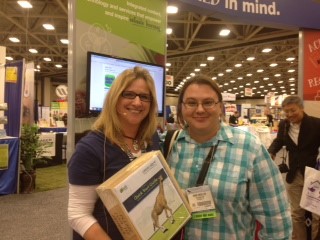 Ms. Moeller in previous years applied through
  The average teacher spends up to $1,000 of their own money on supplies for students every year. Adopt A Classroom allows crowdfunders to partner with a teacher to ensure students have what they need to succeed. Here’s how it works:

 Kickstarter and IndieGoGo are the two most popular crowdfunding sites on the internet, however, none focus specifically on education. We’ve heard mixed reviews from teachers using these tools and the one thing they all have in common is this: both crowdfunding tools draw far more out-of-network (possible donors who you did not invite, who found you because they were searching for similar projects or stumbled across you on the home page) traffic than education-specific pages. The main difference between the two? IndieGoGo allows you to capture funds from projects that do not make their total fundraising goal, while Kickstarter will only release a fully-funded project.
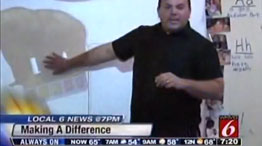


 Sharon Campbell recently retired from an illustrious teaching career of over 30 years. Her teaching story stretches from Napa County Juvenile Offender programs, to alternative high school, to Youth Employment programs, and on to her last stretch of 23 years was as a Middle School teacher. Winner of several A+ for Education grants, she is best known for designing classrooms that meet the needs of today’s students. Her spacecraft (classroom) was used as the model for Project Based Education at the Global Educator’s conference in London, and featured in the Taiwan Commonwealth Educators Journal. In 2009, she was named California School Master: the oldest most prestigious California education award.


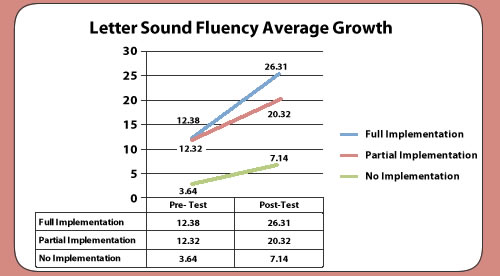

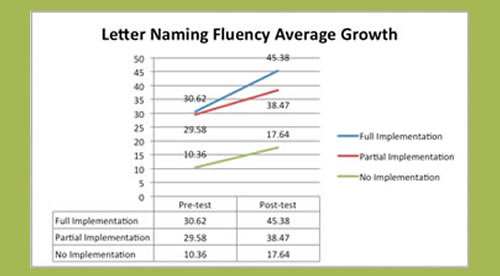



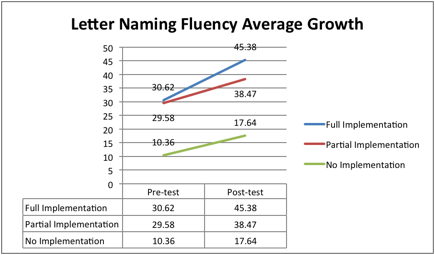
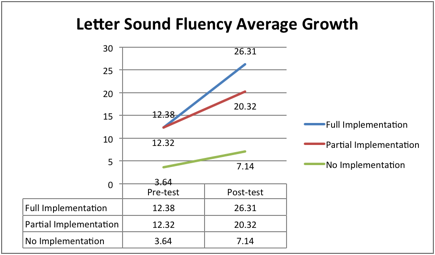 “The scores from the AIMSweb® Letter Naming and Letter Sound Fluency Assessments (the quantitative data from this study) suggest that the Letters alive® curriculum positively impacts students’ early literacy skills. 100% of students in the full implementation classroom experienced gains on the Letter Naming Fluency Assessment, while 84.2% of students in the partial implementation classroom experienced gains on that assessment, followed by only 78.6% of students in the classroom with no exposure who experienced gains on the Letter Naming Fluency test. Additionally, 100% of students in the full implementation classroom and the partial implementation classroom experienced gains on the Letter Sound Fluency Assessment, while only 64.3% of students in the classroom with no exposure experienced gains.”
 The most common reason teachers believed the Letters alive curriculum had been so effective was its power to engage even those students with the most notable attention difficulties. One pre-K teacher even admitted that it was nearly impossible to use the augmented reality features of Letters alive with a single student without catching the attention of the entire classroom.