

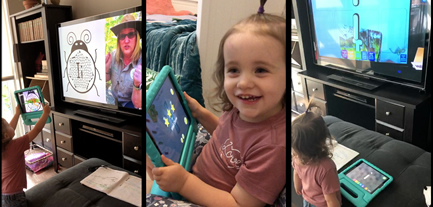
Recently, we received a phenomenal success story from a mom whose preschooler is excelling at home with four of our remote learning resources (three of which are FREE!). I instantly knew we had to share her story with you! See how she uses our Zoo Crew Alphabet Show, Journals alive app, Letters alive Journals, and Interactive Alphabet Chart to get her daughter, Adaline, excited about learning:
“So my daughter, Adaline, is almost three years old, and I am always looking for creative ways to engage her with her learning,  so she will be prepared and ready to go to school. Just watch this video of Adaline and you’ll be amazed, like myself, how self-motivated she was to learn. It was very easy and fun for me to be there just to assist.
I know our local schools are looking for ways to engage our little ones remotely that will really hold their attention span. Little kids, like my Adaline, need that one-on-one, in-person contact in order to be excited about learning and understand exactly what is being expected. One of the key skills at her age is letters and letter sounds. My educator friends have told me that a child’s ability to recognize letters and their represented sounds are a major determination of literacy success.
 My mom actually introduced Adaline to the Zoo Crew Alphabet Show on YouTube. It’s a free remote learning resource with 26 individual lessons. The lessons teach an animal, a letter, letter sounds, and a social emotional growth skill. Each one is about 12-18 minutes long, which is perfect for Adaline’s attention.
Adaline instantly fell in love with Chief Zoo Keeper Cynthia and her little sidekick, Gerdy Giraffe. An added surprise was that some of the shows can become interactive with the free Journals alive mobile app. We are very sensitive to how much screen time Adaline gets each day, so we are very selective on what she actually gets to watch. When I saw her glowing with excitement and interest as she followed along with the show on her iPad, I was amazed.
After watching several of the lessons, Adaline quickly picked up on the repetitive catch phrases and began imitating them as she learned about the animals and letters. She will not be three until next month, yet already knows all her upper and lowercase letters and most of the letter sounds. I can honestly attribute this to the Zoo Crew Alphabet Show, the Letters alive Journal, and the mobile app.
We purchased the Letters alive Journal so she could follow along with all 26 animals and letters 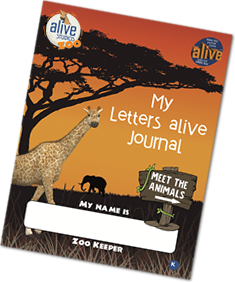 and be even more actively engaged with each lesson. It’s the best $10 I’ve ever spent. 🙂 I don’t normally promote or brag on companies or their products, but this is one that all parents of 2 to 5 year olds need to know about. I’ve never seen such an effective resource for helping kids learn their letters and letter sounds.
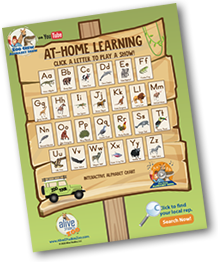 Recently, we learned about the Interactive Alphabet Chart, another FREE resource from Alive Studios. It’s a pdf file that lets you click any letter to instantly watch that lesson from the Zoo Crew Alphabet Show. This makes it so easy to find each lesson.
Anyway, from a mom and her preschooler, ‘thank you!’”
~ Leah (mom)
 Now, with schools and businesses closed down, we have the time to brainstorm ideas for how we can help make a difference for educators, parents, and children. And… you guessed it! The production of our kid show came to mind! The ideas for the Zoo Crew Alphabet Show came flooding in! After our team was able to hash out our desired format, we began production and posting episodes onto our YouTube Channel,
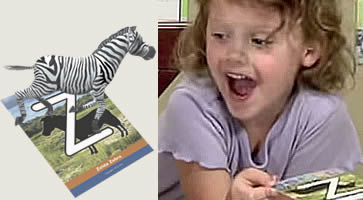

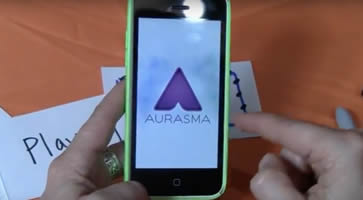
 I know we are all looking for differentiated learning experiences that engage our students. One of the products I want to share with you is called Aurasma. Aurasma is a free DIY (do it yourself) augmented reality app for your smart device. You can use it to “bring to life” anything or object in your classroom. The thing I really like is its intuitive menu system. It doesn’t take long at all to find your way around it and begin creating your own augmented reality magic.

 DonorsChoose.org makes it easy for anyone to help a classroom in need. Public school teachers from every corner of America create classroom project requests, and donors can give any amount to the project that inspires them. Teachers simply post their need and the product they wish to have, and donors can choose to make donations to fund the project. According to their website, over 70% of projects get funded. Periodically, Bill and Melinda Gates offer a matching program where they match any project donation.
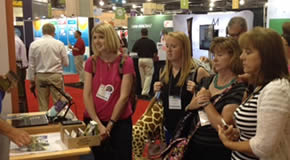
 The traffic seems non-stop at the shows and the attendees are always hungry for the latest technology trends in education. This, of course, is right up our ally since we are the world’s first company to develop an full-year, early education, supplemental curriculum using augmented reality technology. Our small booth size is compensated for by our 3D animated animal characters bellowing out of our sound system, which makes it tough for passers by to not be drawn into the curiosity zone.
 We hold a drawing, which is open to all attendees who enter their names. On the last day of the show, we draw quite a crowd as we announce the winner.
 According to the National Center for Educational Statistics, retaining a child can result in bullying or victimization and increase the likelihood of dropping out of school before graduation. This fact, coupled with the exorbitant costs associated with repeating a grade, prompted us to dig into a solution. Nationally, the majority of retention decisions are among Kindergarten and First Graders with reading proficiency being cited as the number one measurement. The greatest contributors to the reduction in retention rates over the last decade has been the lowering of the standards bar and avoidance-based promotions aimed at preventing the negative results that may occur from retention. Unfortunately, few schools are focusing on actually increasing literacy as a means of decreasing retention rates.
 Cynthia B. Kaye
 Alive Studios is introducing the Mac version of its Augmented Reality early literacy software program at the ISTE Expo in Philadelphia, PA. This product release is expected to be welcomed by School Districts who use Mac Technologies exclusively.
 being used in more than 1,000 classrooms around the world. Its low cost and ease of use has made it very popular among schools looking to use technology to fight early literacy problems,” stated Cynthia B. Kaye, CEO (and Chief Zoo Keeper) of Alive Studios.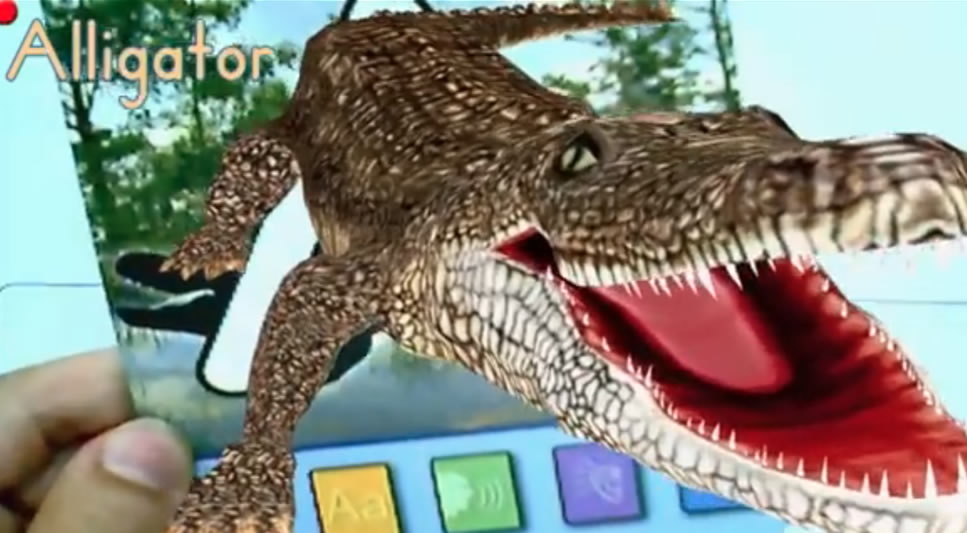
 Alive Studios announces the release of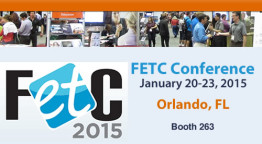
 Our next stop on the trade show circuit was the FETC Convention in sunny Orlando, Florida. What a treat to have 60+ degree weather in January!
 We are on a mission to get children proficient in reading and math by the third grade, and FETC was another great stop on the crusade.
