


4-minute read

Cynthia B. Kaye
Early Education Advocate | CEO, Alive Studios
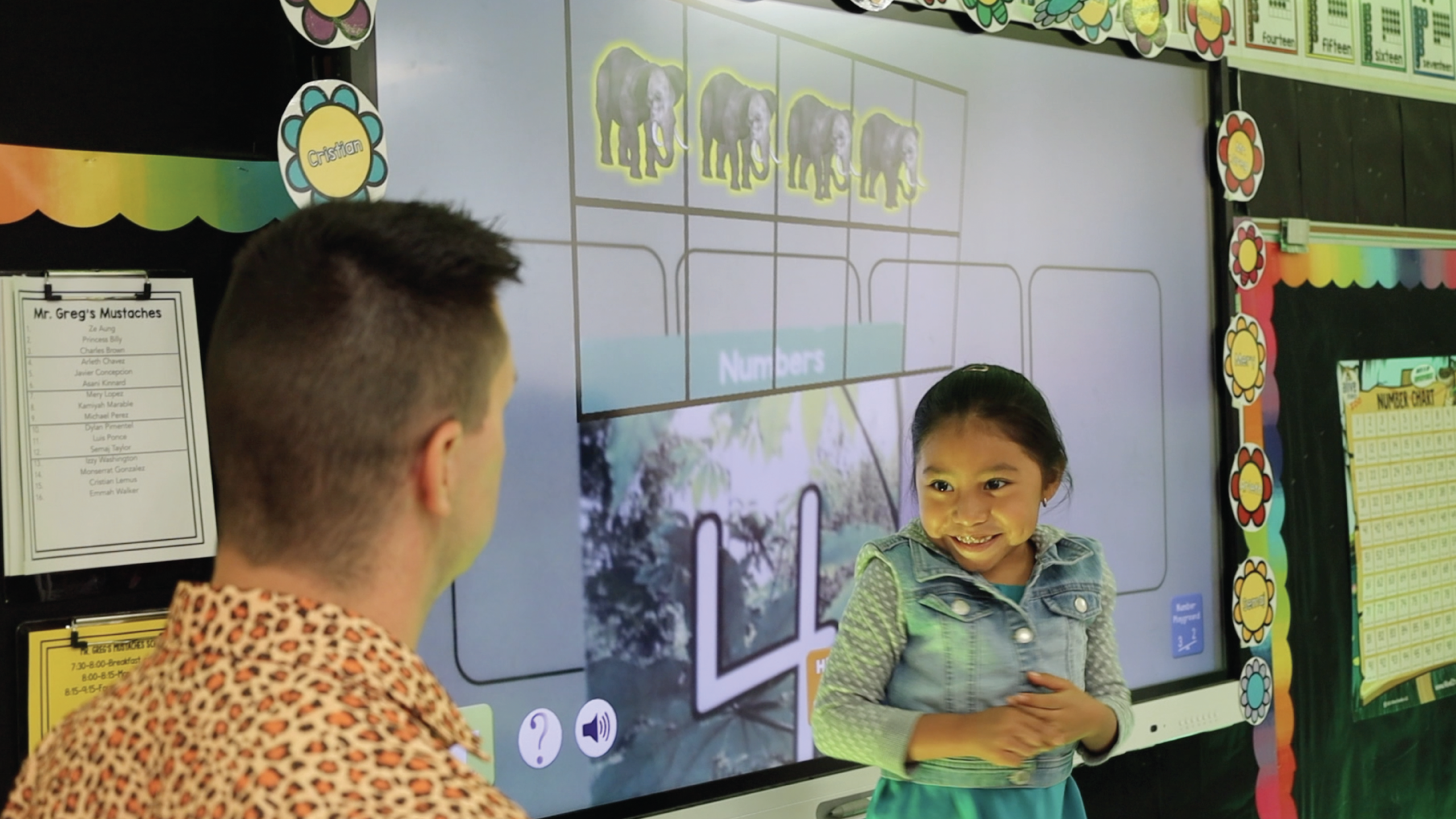
There is an important conversation happening right now about children and technology.
Parents are asking questions. Educators are asking questions. Schools are reconsidering how much technology belongs in a child’s day.
And as a mother, grandmother, and someone who has spent years developing learning experiences for young children, I believe those questions are not only reasonable. They are necessary.
I recently read the American Psychological Association’s Expert Report on Children’s and Adolescents’ Learning With Educational Technology, and much of it deeply resonated with me.
One of the APA’s most important messages is simple:
Engagement is not the same as learning.
A child can be clicking, watching, responding, and appearing completely engaged with a digital experience without necessarily learning something they can retain and use later.
The report encourages us to look beyond whether children are simply engaged with technology and consider what they actually understand, retain, and can apply.
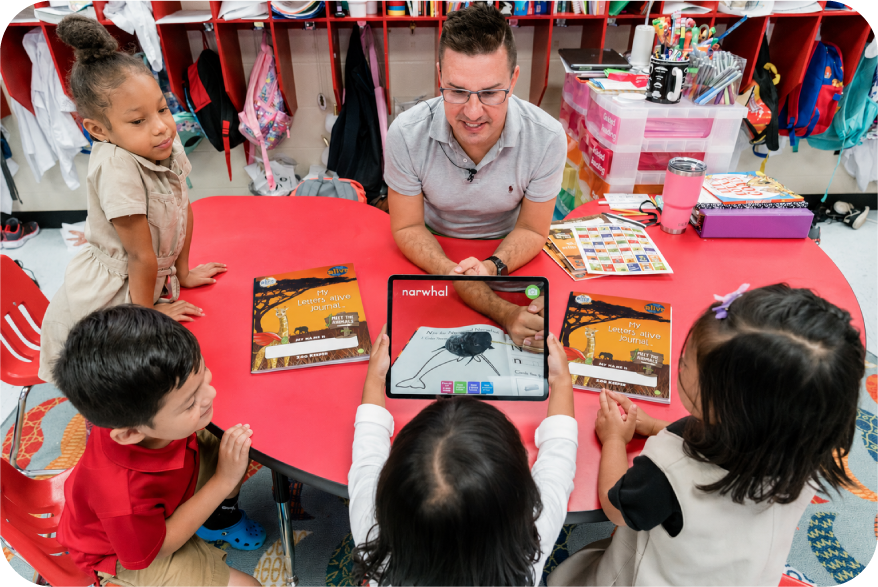
What happens after the screen?
To me, that leads to a much better question:
What can the child do after the technology is off?
For years, my own philosophy has been very simple:
Child First.
Not technology for technology’s sake.
Not engagement designed simply to hold attention.
Not the newest feature just because it is new.
The child first.
We believe in engagement deeply. But the goal is meaningful engagement that opens the child to learning, connection, curiosity, and participation.
It should never replace the things children need most: caring adults, conversation, movement, imagination, books, hands-on exploration, relationships, and play.
Instead, when technology is used, I believe it should help open the door to those experiences.
Another important point in the APA report is that we should consider what technology may be replacing in a child’s day.
That distinction matters.
Purpose Matters
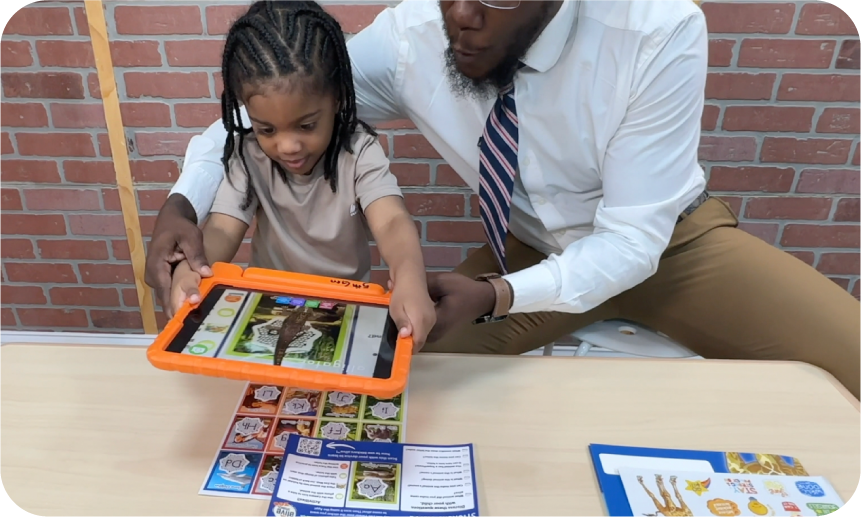
A few purposeful minutes of technology that spark a child to talk with a teacher, manipulate objects, practice a new sound, count real objects, move around the room, or continue learning away from the screen are very different from passive consumption.
The number of minutes alone does not tell us the whole story.
Purpose matters. Design matters. What happens next matters.
The APA also emphasizes the importance of adult involvement in educational technology. For young children especially, I believe that is critical.
The Teacher Still Matters
I don’t want technology taking the teacher out of the learning experience.
I want technology giving the teacher another way to reach a child.
There is a big difference.
The Questions We Should Be Asking
So, as parents, educators, and school leaders evaluate educational technology, I believe we should be asking questions like these:
Those questions tell us much more than simply asking whether something is digital or whether children enjoy using it.
The APA report also cautions against overly stimulating design and features created primarily to capture attention. That is an important distinction for everyone involved in educational technology.
Design For Learning, Not Just For Attention
We should not be designing technology to keep children on technology.
We should be designing technology to help children learn.
Sometimes the greatest evidence that educational technology has done its job is what happens when the screen is no longer the center of attention.
A child sounds out the letter they just learned.
They find something in the classroom that begins with that sound.
They count real objects.
They explain an idea to a friend.
They ask their teacher another question.
They take what they experienced and carry it into the real world.
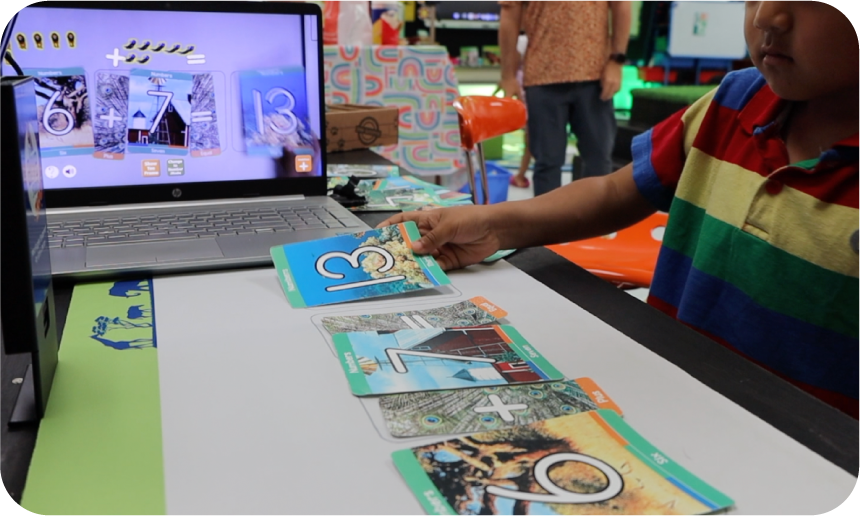
Technology opens the experience. Children take the learning further.
As someone who leads an educational technology company, I believe our industry should welcome this scrutiny rather than resist it.
Parents should ask questions.
Teachers should ask questions.
Schools should ask for evidence.
And those of us creating educational technology should be prepared to explain not simply why children enjoy our products, but how those products contribute to meaningful learning.
I understand the growing concern about technology and young children.
I share many of those concerns.
I don’t believe the answer is simply more technology.
And I don’t believe every technology experience deserves a place in a young child’s day.
I believe we need to look carefully at each tool and ask whether it truly benefits the child.
Purposeful technology. Thoughtfully chosen. Used in the right moments. With caring adults involved and the child at the center.
Because childhood is precious.
Technology should add to it, not take away from it.
Child first. Always.
Cynthia Kaye
Founder & CEO, Alive Studios
I’d love to hear your thoughts on this article!