

“The goal for Pre-K and Kindergarten isn’t just to get kids ‘ready for school;’ The goal is also to make them fall in love with learning.”
5-minute read

Cynthia B. Kaye
Early Education Advocate | EdTech Innovator | CEO, Alive Studios
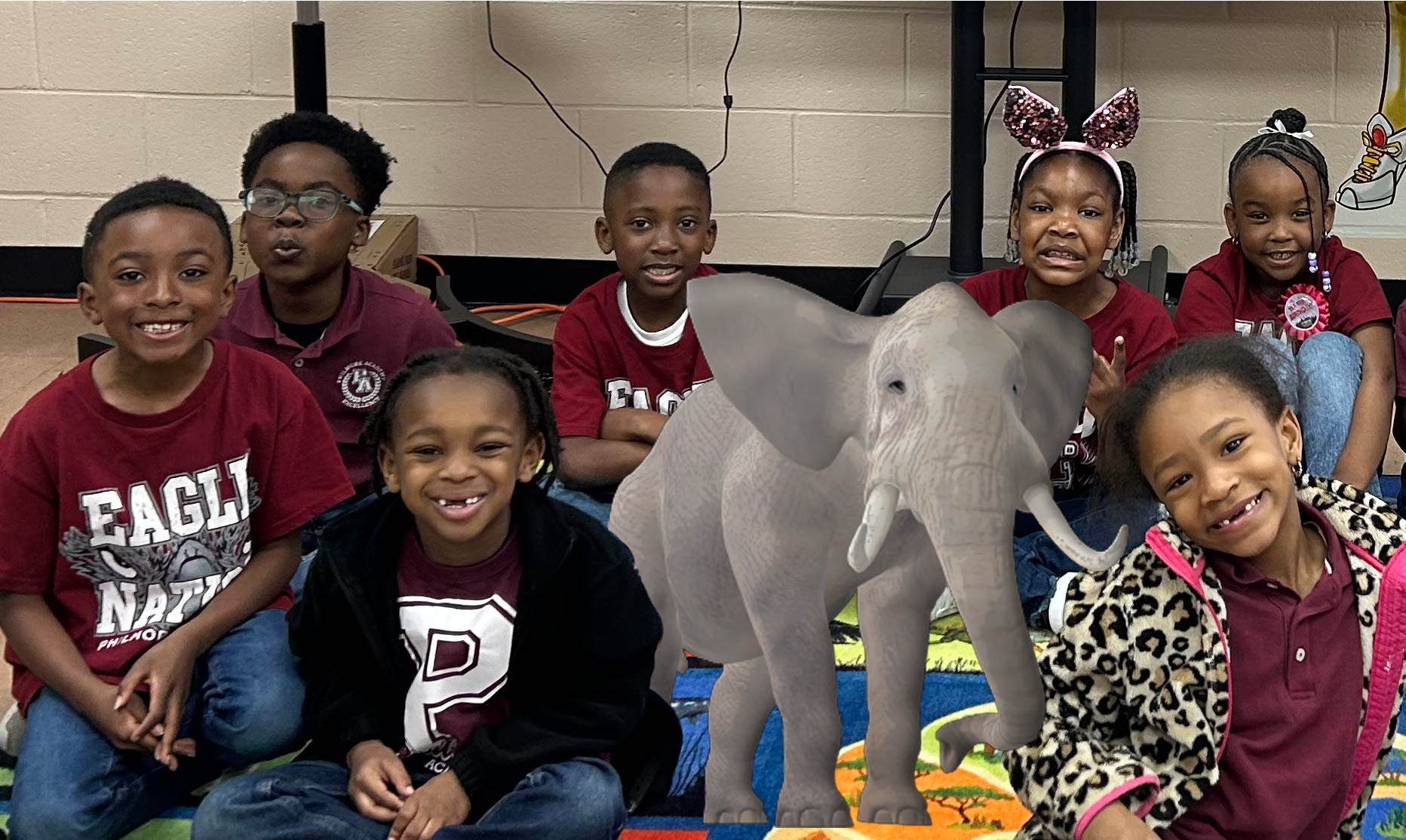
When we talk about closing the 67% literacy gap, we often get bogged down in “mandates and metrics.” But if you want to see where the foundational skills of literacy and numeracy are actually won, don’t look at a data spreadsheet.
Look at the joy in a child’s eyes when a letter finally makes a sound, or a pattern finally makes sense.
Learning in 3D: The Power of Playful Rigor
The first five years of a child’s life are a sensory explosion. To teach them the “basics,” we have to meet them where they live: in a world of movement, touch, and social connection.
We aren’t just teaching kids to memorize symbols; we are helping them build the neural architecture for life. And the best way to build that architecture isn’t through static, sedentary tasks, it’s through active discovery.
Technology as a Team Sport
In 2026, we’ve moved past the idea of technology as a “babysitter.” We’ve seen that the “stare and peck” model, where a child sits alone with a screen, doesn’t build the social-emotional or linguistic skills they need.
The most exciting classrooms are using Collaborative Technology. This is tech used as a bridge, not an island:
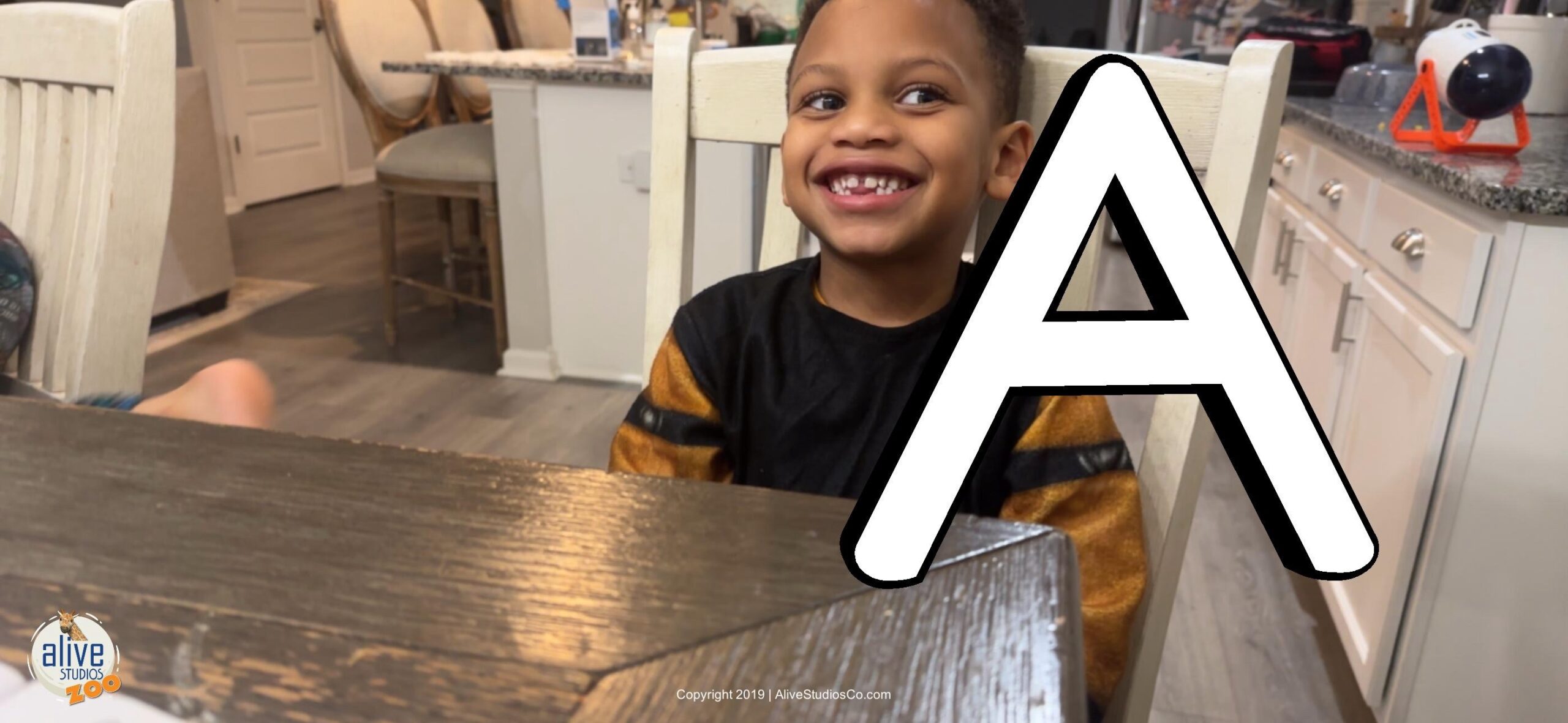
Shared Exploration: Imagine a teacher and a small group of students around a panel or table, interacting while learning letters and sounds.
Creative Documentation: Children using digital tools to photograph the “patterns” they find in nature, then working with their teacher to label and narrate their findings.
Immersive Storytelling: Using audio-visual tools to turn a classroom corner into a “space station” or a “jungle,” where vocabulary comes to life through role-play and high-quality digital environments.
This is technology with a purpose: it’s social, it’s guided, and it’s deeply engaging.
Winning the Foundational Skills
How do we ensure every child hits those critical benchmarks by age five? By making the “hard work” of learning feel like the “best work” of their day:
Tactile Literacy: We’re building alphabet structures with blocks and tracing phonemes in textured sand. When a child feels the language, they own it.
Oral Language Centers: We are prioritizing “The Science of Reading” through rich, back-and-forth conversation, stories, and song.
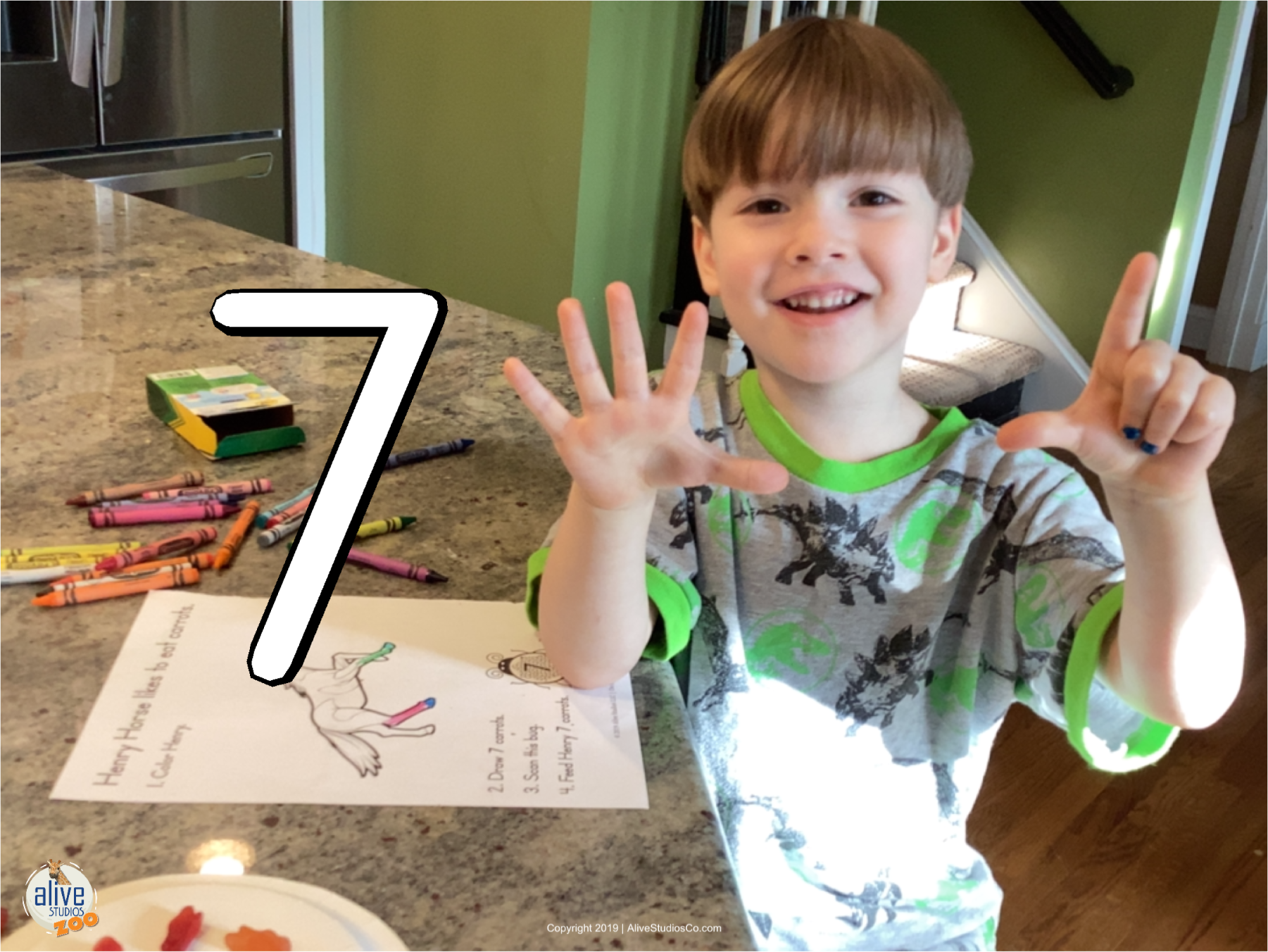
Numeracy in Motion: Math is happening all around us. We measure, sort, and graph real-world objects using collaborative apps that make math look like a game we play together.
The 2026 Vision
The goal isn’t just to get kids “ready for school.” The goal is to make them fall in love with learning. When we combine evidence-based practices with innovative, collaborative resources, we don’t have to choose between “academic progress” and “childhood wonder.”
We get both. And that is exactly how we close the gap for good.
I’d love to hear your thoughts on this article!