
How AR is Unlocking Literacy and Numeracy

6 Independent Studies that Prove Augmented Reality is an Equity Lever for All – Especially Special Education and ELL

5-minute read

technology for early learners

Cynthia B. Kaye
Early Education Advocate | EdTech Innovator | CEO, Alive Studios
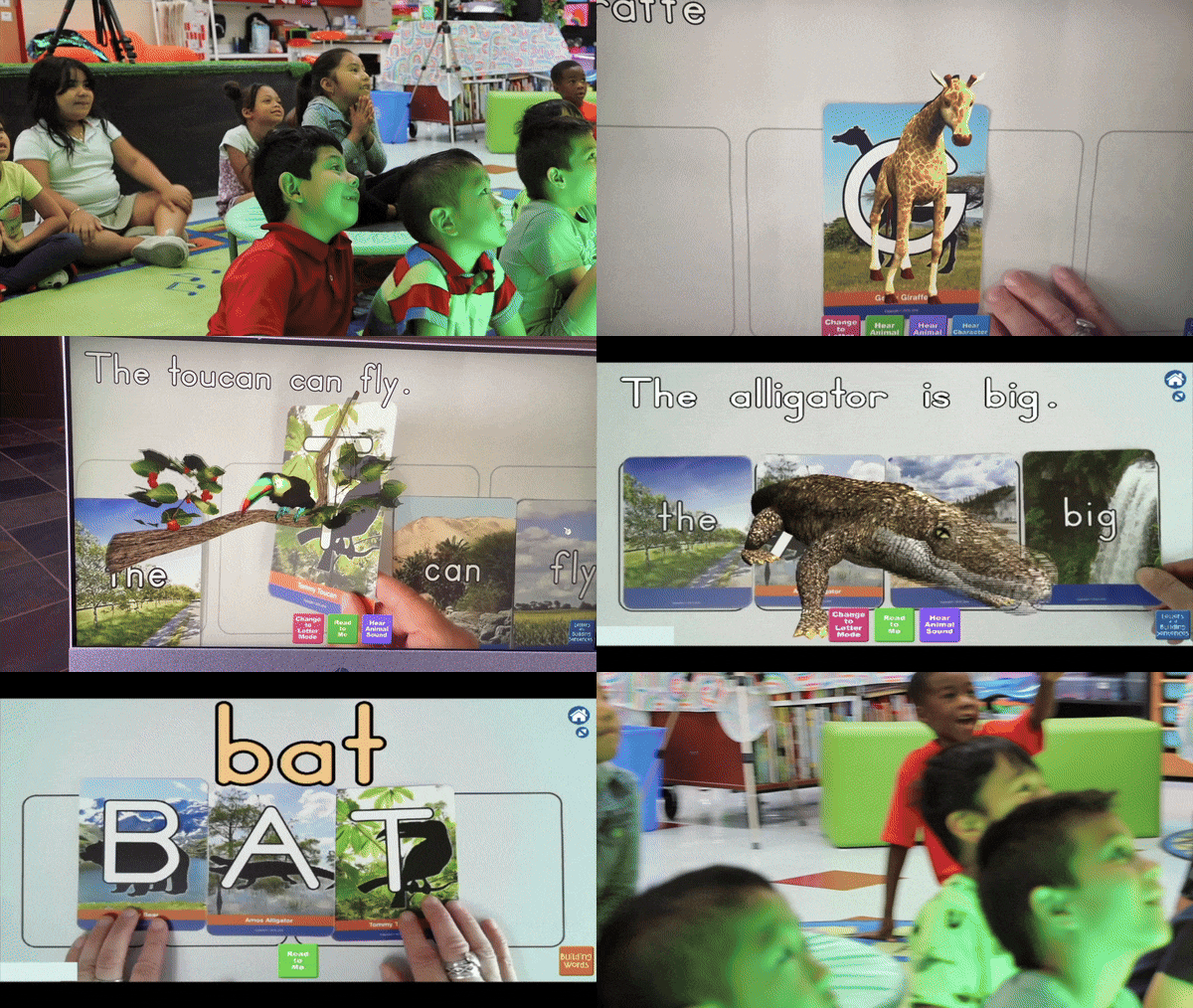


“Innovation” can be a tired word in education. “Impact” is what we’re actually looking for.


Fifteen years ago, my husband and I began a mission to help our two adopted sons learn to read. We discovered that traditional 2D print was a barrier to their success. This personal journey led us to develop an instructional method using Augmented Reality (AR), a method so unique it earned a U.S. Patent.

What is the Impact of Augmented Reality on Early Literacy and Numeracy?

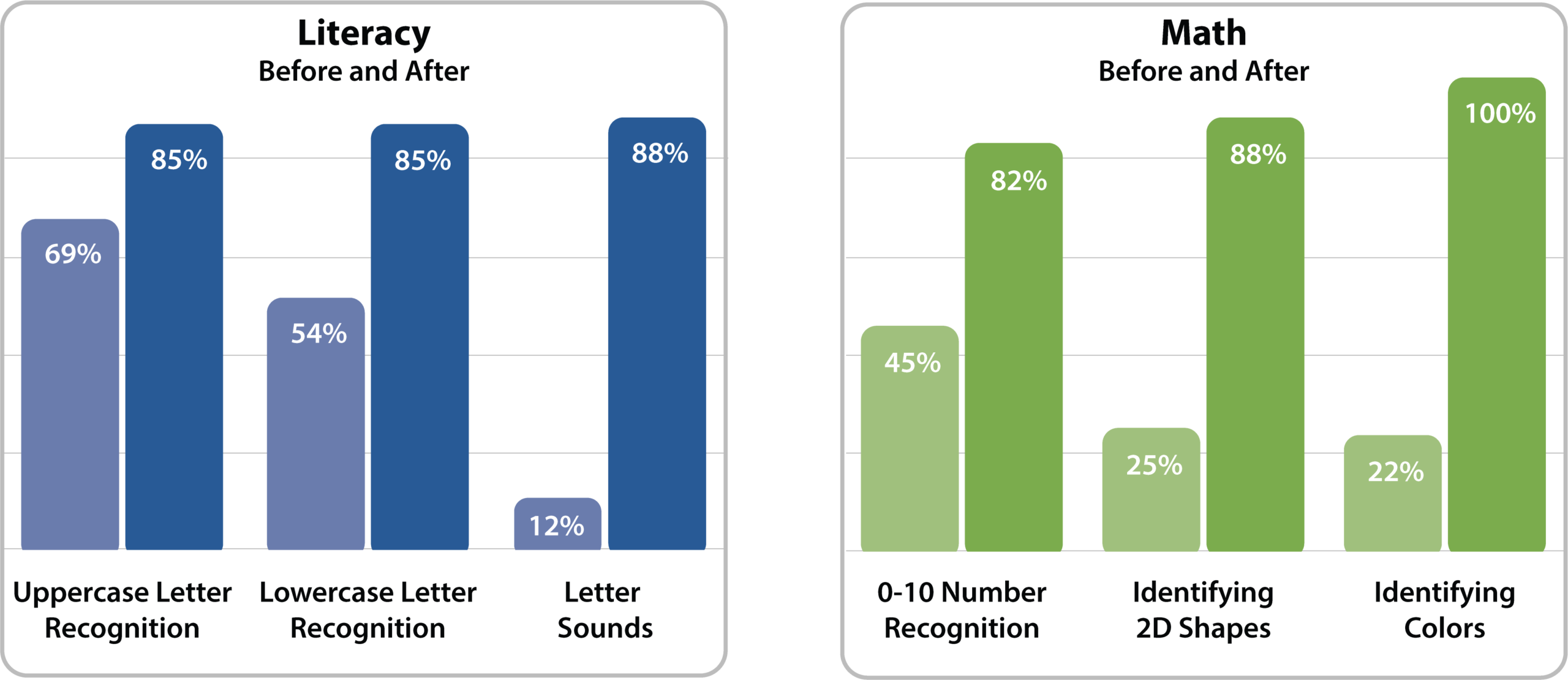
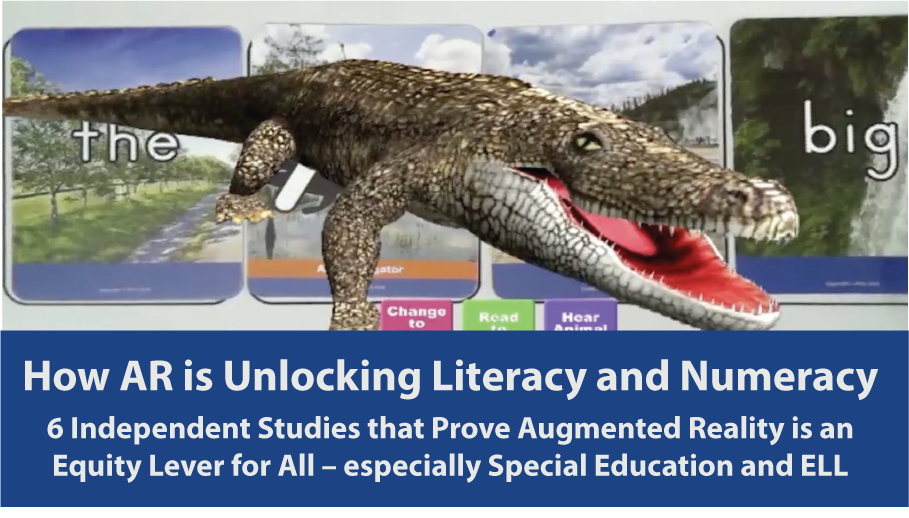
According to six independent studies and our own case studies, AR acts as a multisensory anchor and accelerator for foundational skills.

Here is a breakdown of how that performance translates to the classroom:
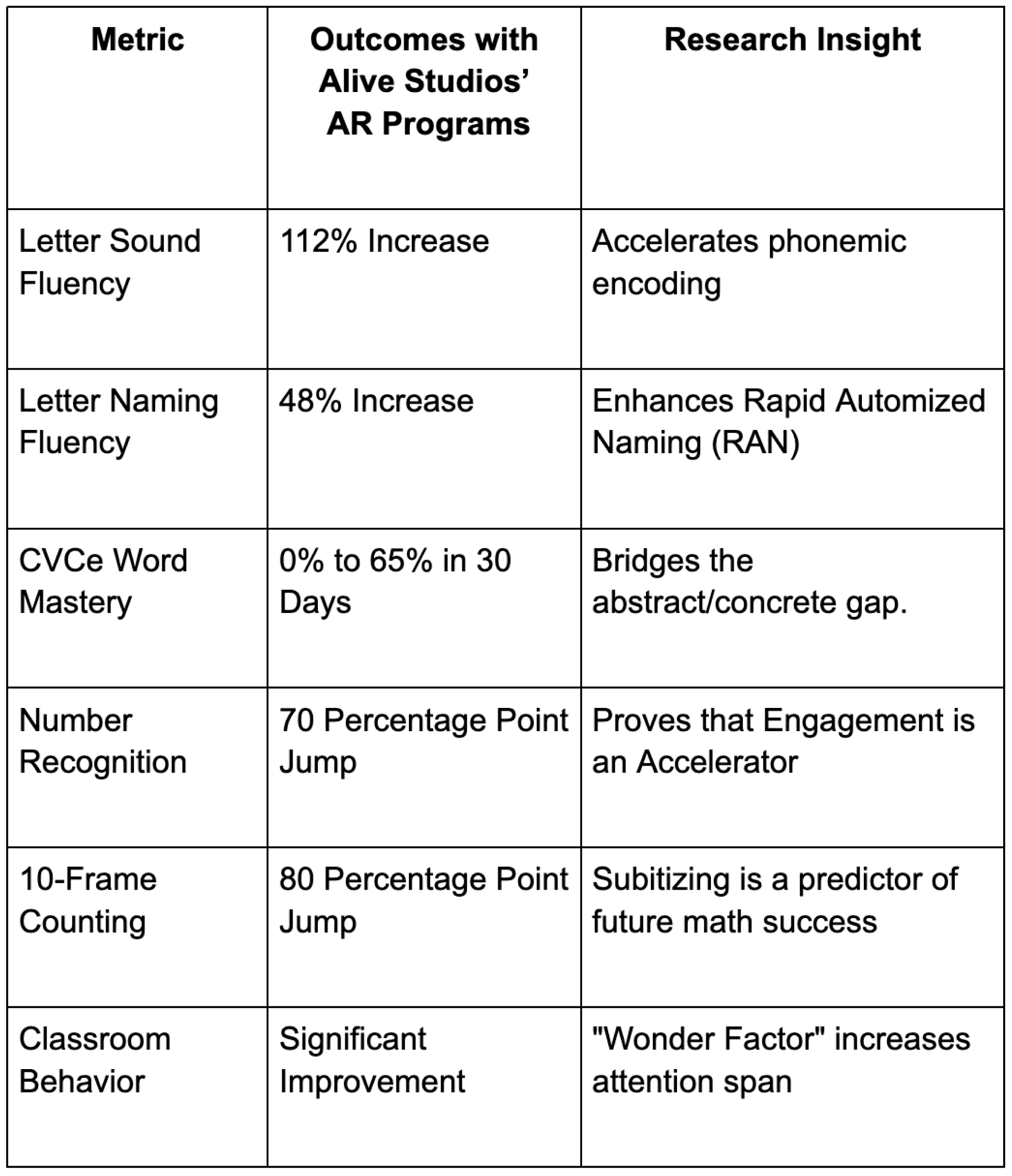

View the Full Research Portfolio: 6 Independent Studies

Real-World Impact: Literacy and Numeracy Breakthroughs

While academic studies are vital, real-world results move the needle. We’ve seen “stagnant” classrooms transformed into hubs of energy and success in under a month.

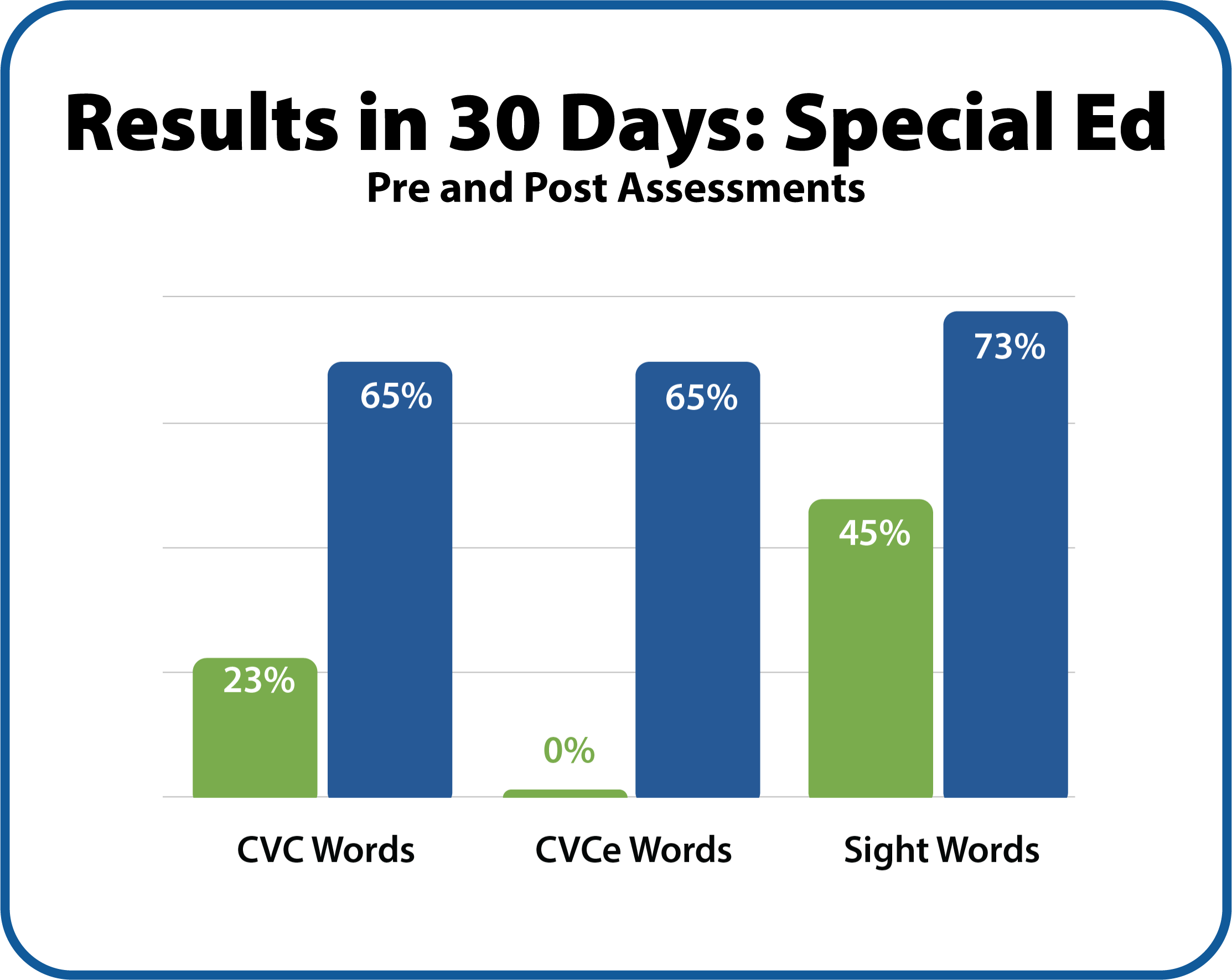
In Special Education:

Rachel, a 1st-grade special education teacher, used our AR-based Letters alive® supplemental program and saw her students move from 0% to 65% in CVCe word mastery in just 30 days.

“I had to completely redo their IEP goals! My kids are obsessed!”
~ Rachel, Special Education Teacher


In Title 1 ELL Kindergarten:

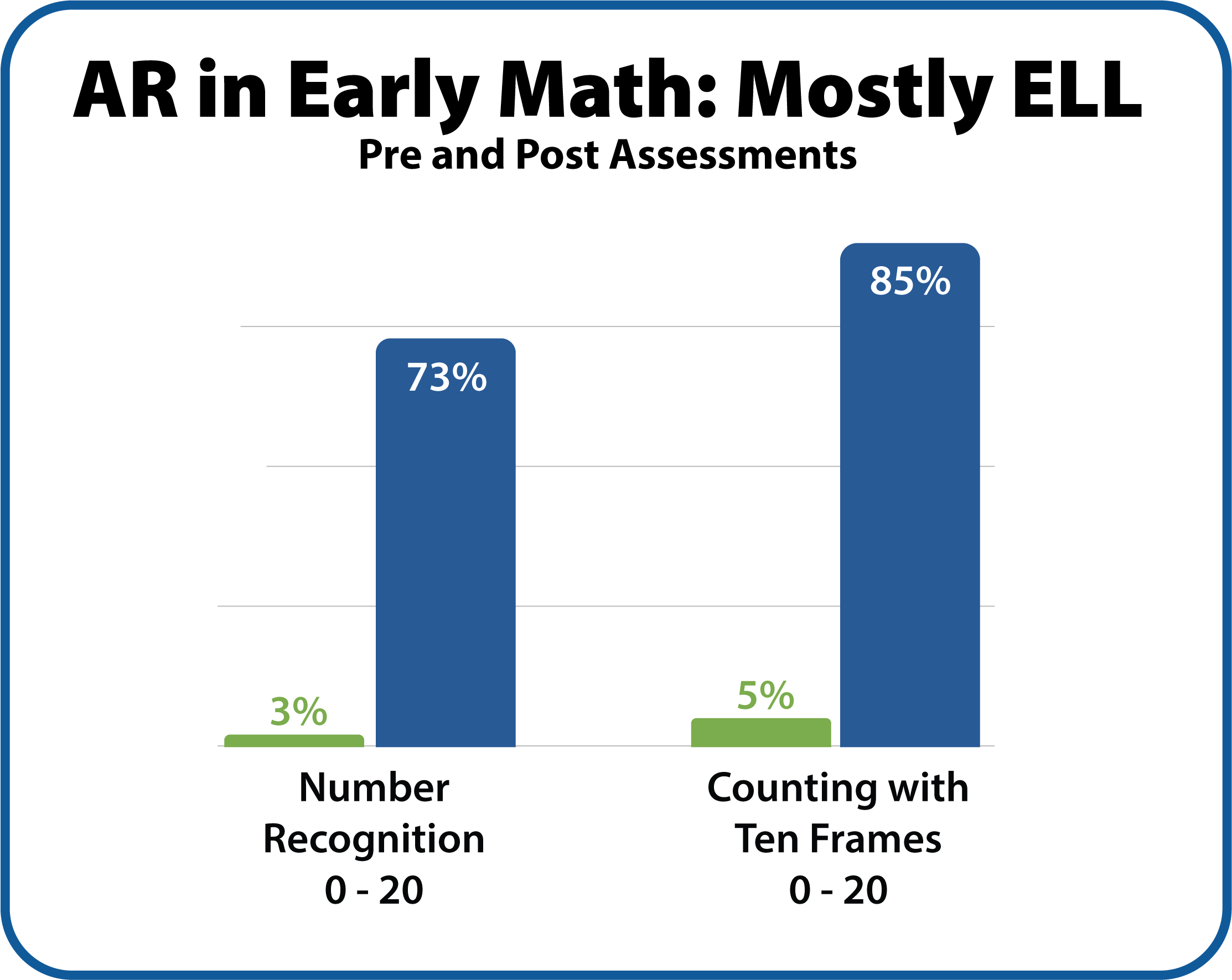
Mr. Greg Warren’s Kindergarten classroom consists of predominantly ELL students at a Title 1 school. They arrived with almost no foundational number sense. In just 26 days of using our AR tools:

  • Number Recognition (0–20): Jumped from 3% to 73% (a 70-percentage-point increase).
  • 10-Frame Counting: Soared from 5% to 85% (an 80-percentage-point increase).


Why AR is the Ultimate Inclusive Approach


In a modern classroom, “inclusive” means meeting a wide range of needs simultaneously. For children in Special Education or those learning English, cognitive load reduction is the priority.

  • Standardized Phonemic Models: Using computer-assisted voice (not regional dialects) provides a consistent phonemic model for letters and numeracy vocabulary, benefiting ELL and native speakers alike.
  • Visual-Spatial Development: Research shows that AR specifically develops visual-spatial skills, which are essential for number sense and letter orientation.
  • Social Integration: AR enables students with special needs to participate in the same high-level “Wonder Factor” as their peers, reducing the stigma often associated with traditional interventions.


Overcoming “Systems Friction” in District Infrastructure


To be an effective MTSS Tier 1 or Tier 2 support, we’ve ensured our platform is built for the operational reality of school districts:

  • Connectivity Independent: It does not need internet access to function, perfect for classrooms with spotty Wi-Fi or high security needs.
  • Teacher-Aligned: Supports the teacher at the front of the room; it doesn’t replace the human connection.
  • Science of Reading Mapped: Aligned with ESSA, Title I, and state frameworks.


A Final Thought


I know how high the stakes are for your districts right now. We all want the same thing: to see every child, regardless of their starting point, gain the confidence that comes with literacy and numeracy. We’ve spent 15 years refining this because we believe these kids deserve a bridge that actually works for them. If you’re looking for a way to support your teachers and reach your most vulnerable learners, let’s start a conversation. We’re all in this together.


Frequently Asked Questions about Augmented Reality in Early Education


How does Augmented Reality enhance the Science of Reading?

Augmented Reality (AR) serves as a multi-sensory bridge that supports the Science of Reading by providing explicit, engaging phonemic models. It helps students connect 3D visual cues with standardized auditory phonemes, accelerating the orthographic mapping process.

How does AR specifically help non-verbal or “timid” learners?

We have seen students who begin the year non-verbal blossom into confident leaders. The interactive nature of AR provides a safe, low-pressure way for children to interact with the lesson. Because the zoo animals we use in our AR-based programs become the students’ friends, they spark a level of emotional engagement that helps children move from “anxious” to “active” participants.

Is Augmented Reality an effective Tier 2 intervention for Special Education?

Yes. As shown in Rachel’s 1st-grade case study, AR can drive CVCe word mastery from 0% to 65% in just 30 days, allowing teachers to reset IEP goals based on accelerated progress.

Does AR technology require a stable Wi-Fi connection in the classroom?

While many AR apps do, our patented method works without an internet connection, ensuring that even Title 1 schools can provide elite-level tech regardless of their building’s connectivity.

How does AR support English Language Learners (ELL)?

AR reduces the cognitive load for ELL students by providing immediate 3D context for new vocabulary and a consistent, neutral phonemic model that removes the barrier of regional dialects.


I’d love to hear your thoughts on this article!
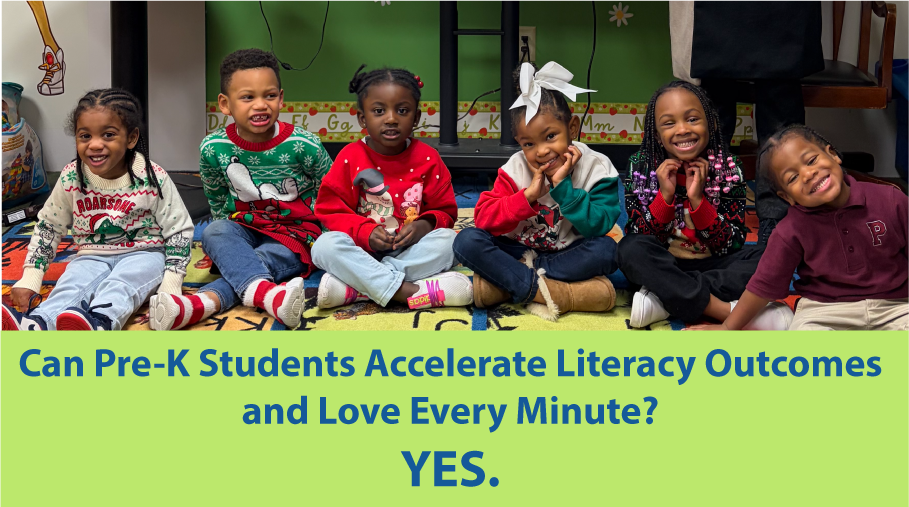


Can PreK Students Accelerate Literacy Outcomes and Love Every Minute? YES.

“These are the foundational skills that set children up for a lifetime of success.”

3-minute read
technology for early learners

Cynthia B. Kaye
Early Education Advocate | EdTech Innovator | CEO, Alive Studios


Last week, I shared a “sneak peek” of the incredible results from our latest Pre-K case study. Today, I am thrilled to announce that the full Case Study is officially here!


While the data is groundbreaking, what truly touched me was the story behind the numbers, the journey of “Mr. Jay” Sturdivant and his vibrant classroom in Georgia.

From “Old School” to an Interactive Zoo Adventure

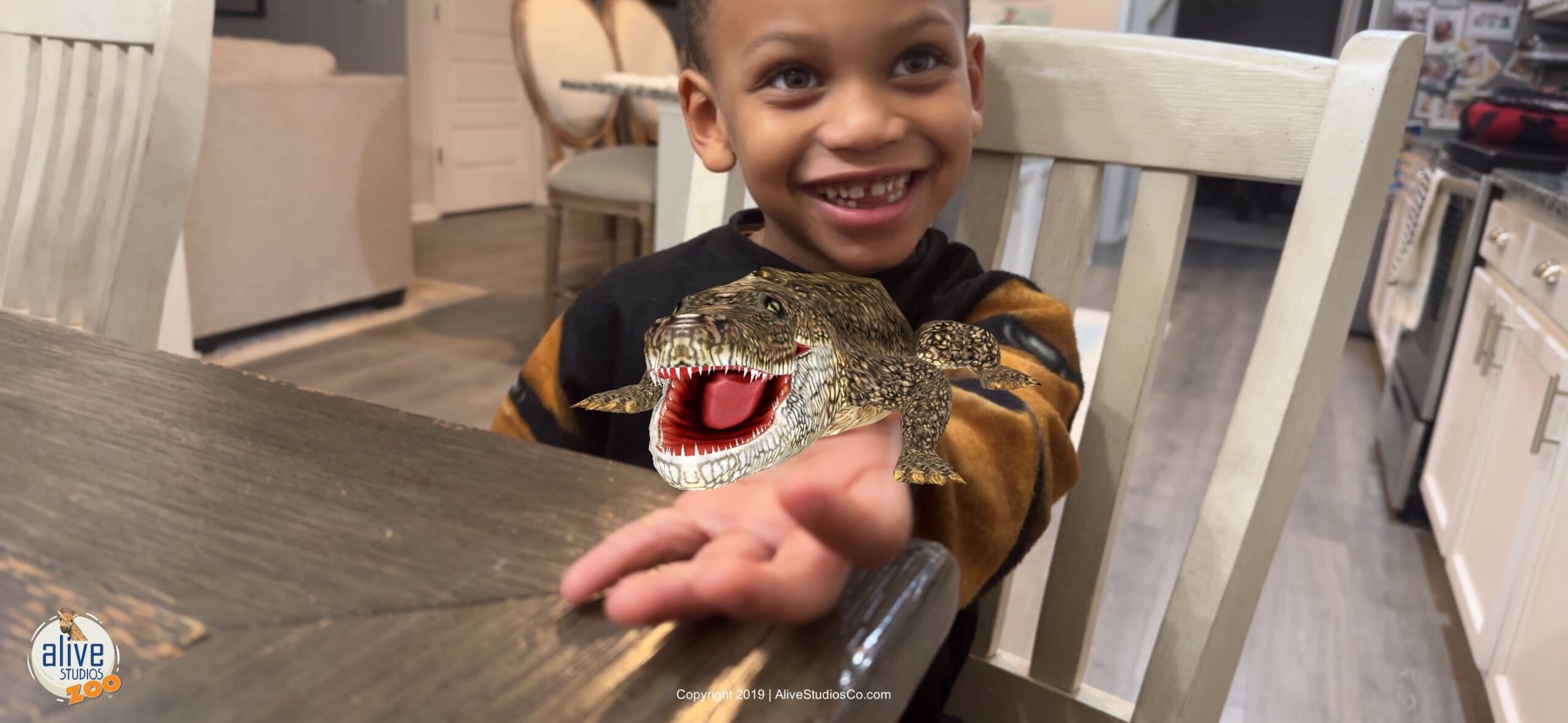
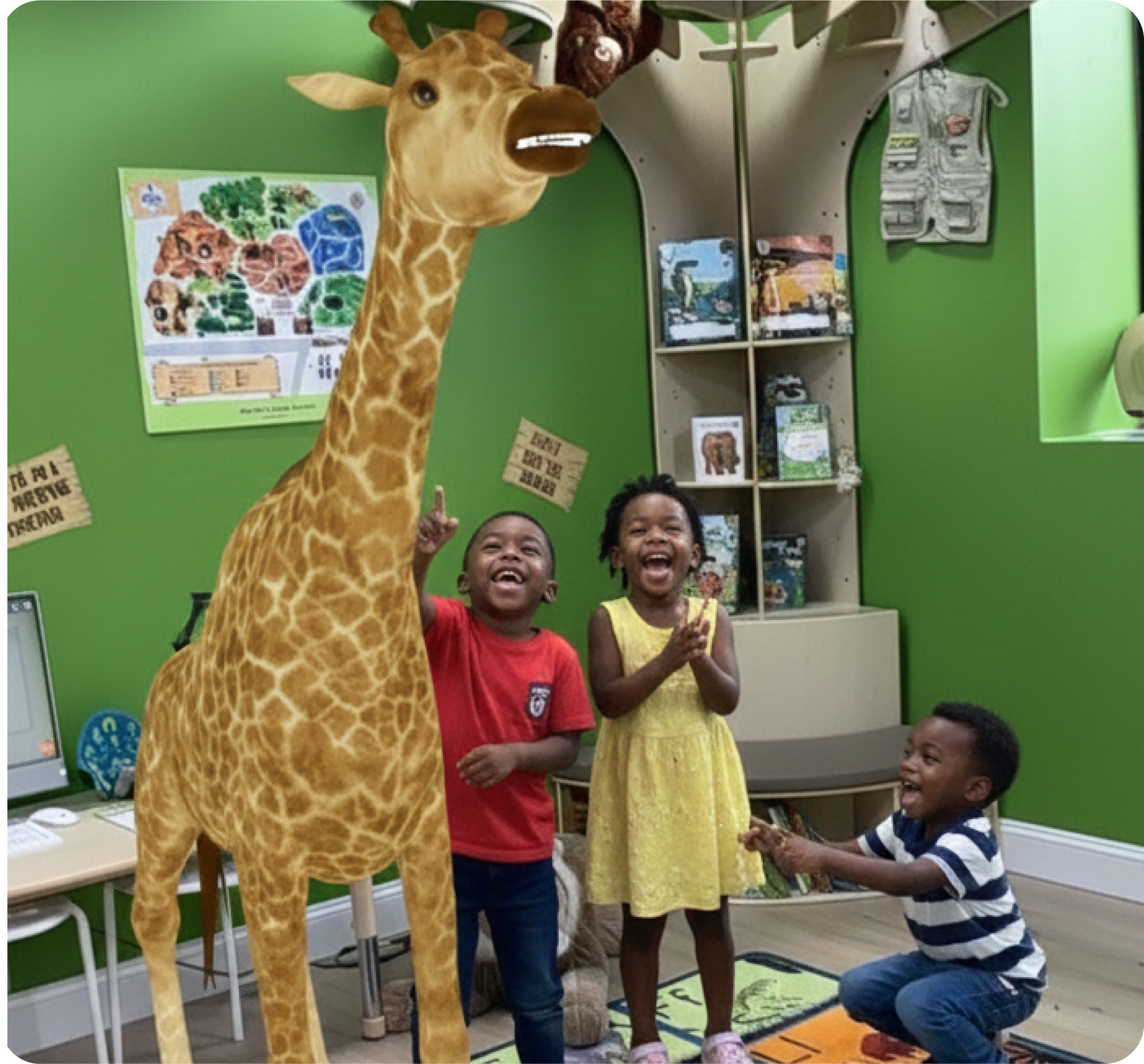
Mr. Jay, a veteran teacher with over 10 years of experience, described his classroom before Alive Studios as “old school,” heavy on worksheets and scripted lessons. By introducing 3D Augmented Reality (AR) zoo animals, his classroom was transformed into what felt like a daily “field trip to the zoo.”


More Than Just Academics: Building the Whole Child

What encouraged me most was hearing how these resources helped Mr. Jay capture and keep the attention of 3- and 4-year-olds throughout the entire day. We know how difficult that can be!

But beyond engagement, we saw a profound impact on the “Whole Child”:

A Surge in Confidence: Mr. Jay shared the story of his youngest student, who began the year non-verbal and scared, but blossomed into a “confident and joyful little leader”.
Self-Motivation: The interactive nature of the resources sparked a natural love of learning, turning “timid or anxious” learners into active participants.
Essential Life Skills: Through zoo-themed social-emotional stories, students learned critical kindergarten-readiness skills like turn-taking and empathy.

Heartwarming Parent Success

It warmed my heart to see the videos and feedback from the families in Mr. Jay’s class. By using the Letters alive Student Journals at home, parents were thrilled to be an active part of the “magic.” One of the most rewarding sights is a child proudly introducing their family to their 3D zoo animal friends while showing off their new early reading skills.


Meaningful Outcomes for Education Leaders

For my fellow administrators and decision-makers, this study demonstrates that we don’t have to choose between academic rigor and student joy. In just 90 days, we saw:

Accelerated Literacy & Math Growth: Phenomenal gains in letter/sound knowledge and foundational number sense.
Kindergarten Readiness: Students achieved mastery of most upper and lowercase letters, far exceeding the recommended benchmarks for their age group.
Closing the Gap: A proven multi-sensory approach that works for the whole class, including English Learners and students with IEPs. (As proven in our other published case studies).

These are the foundational skills that set children up for a lifetime of success.

You can read the full journey of Mr. Jay’s “little scholars” and see the detailed results here.


I’d love to hear your thoughts on this article!


The Sound of Success: Why Pre-K and K Should Be THE Most Innovative Rooms in the Building

“The goal for Pre-K and Kindergarten isn’t just to get kids ‘ready for school;’ The goal is also to make them fall in love with learning.”

5-minute read
technology for early learners

Cynthia B. Kaye
Early Education Advocate | EdTech Innovator | CEO, Alive Studios


When we talk about closing the 67% literacy gap, we often get bogged down in “mandates and metrics.” But if you want to see where the foundational skills of literacy and numeracy are actually won, don’t look at a data spreadsheet.

Look at the joy in a child’s eyes when a letter finally makes a sound, or a pattern finally makes sense.

Learning in 3D: The Power of Playful Rigor

The first five years of a child’s life are a sensory explosion. To teach them the “basics,” we have to meet them where they live: in a world of movement, touch, and social connection.

We aren’t just teaching kids to memorize symbols; we are helping them build the neural architecture for life. And the best way to build that architecture isn’t through static, sedentary tasks, it’s through active discovery.

Technology as a Team Sport

In 2026, we’ve moved past the idea of technology as a “babysitter.” We’ve seen that the “stare and peck” model, where a child sits alone with a screen, doesn’t build the social-emotional or linguistic skills they need.

The most exciting classrooms are using Collaborative Technology. This is tech used as a bridge, not an island:


Shared Exploration: Imagine a teacher and a small group of students around a panel or table, interacting while learning letters and sounds.

Creative Documentation: Children using digital tools to photograph the “patterns” they find in nature, then working with their teacher to label and narrate their findings.

Immersive Storytelling: Using audio-visual tools to turn a classroom corner into a “space station” or a “jungle,” where vocabulary comes to life through role-play and high-quality digital environments.
 
This is technology with a purpose: it’s social, it’s guided, and it’s deeply engaging.
 

Winning the Foundational Skills

How do we ensure every child hits those critical benchmarks by age five? By making the “hard work” of learning feel like the “best work” of their day:
 
Tactile Literacy: We’re building alphabet structures with blocks and tracing phonemes in textured sand. When a child feels the language, they own it.

Oral Language Centers: We are prioritizing “The Science of Reading” through rich, back-and-forth conversation, stories, and song.

Numeracy in Motion: Math is happening all around us. We measure, sort, and graph real-world objects using collaborative apps that make math look like a game we play together.


The 2026 Vision

The goal isn’t just to get kids “ready for school.” The goal is to make them fall in love with learning. When we combine evidence-based practices with innovative, collaborative resources, we don’t have to choose between “academic progress” and “childhood wonder.”

We get both. And that is exactly how we close the gap for good.


I’d love to hear your thoughts on this article!